How TEPScan works.
TEPScan turns a routine 6 ml blood draw into an early cancer result in about 2.5 hours. It uses platelet RNA, an 11-gene panel and AI, and runs on the qPCR machines labs already own.
Last updated
TEPScan in one paragraph
TEPScan is a qRT-PCR liquid biopsy that detects cancer from the RNA inside blood platelets. A lab separates platelets from 6 ml of blood, extracts their RNA and measures 11 genes that change when a tumour is present. Care Onco’s AI model, trained to work across different labs and machines, interprets the result. The whole workflow takes about 2.5 hours and costs about $150 per test.
Five steps. About 2.5 hours.
Five steps from a routine blood draw to an AI result in about 2.5 hours, on equipment most labs already own.
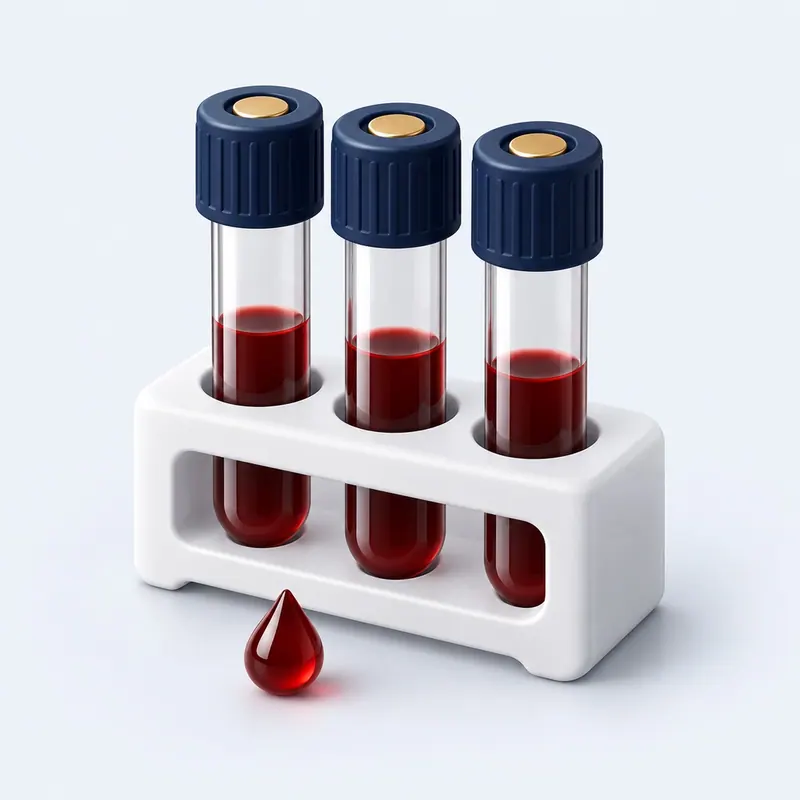
Blood collected
6 ml of blood in EDTA tubes (three vials), instead of the 15 ml many liquid biopsies need.
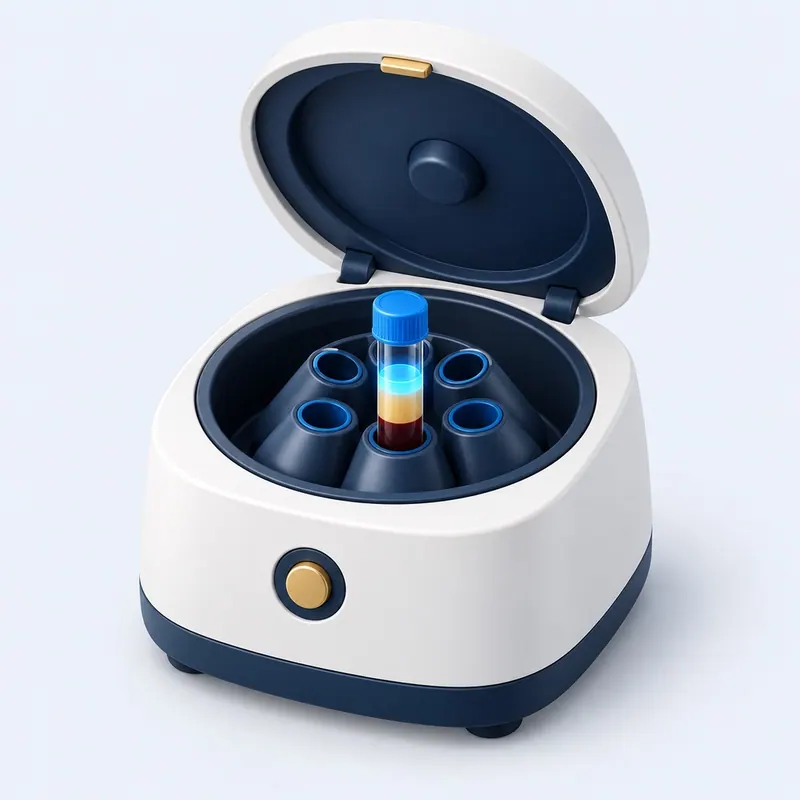
Platelet separation
Platelets are fractionated from whole blood using Care Onco’s proprietary chemistry.
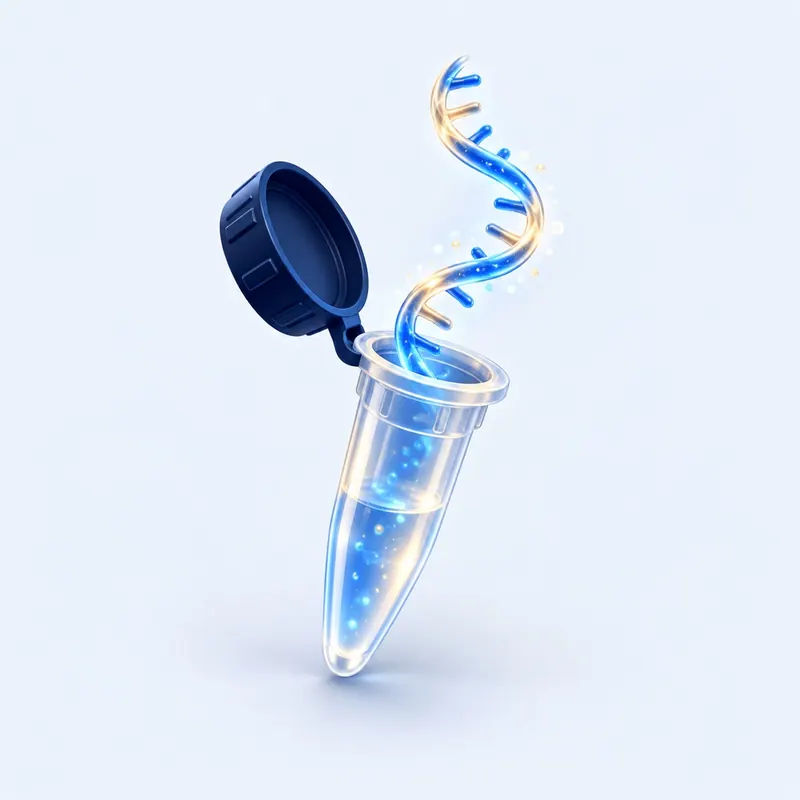
RNA extraction
Proprietary chemistry extracts enough platelet RNA from just 6 ml of blood.
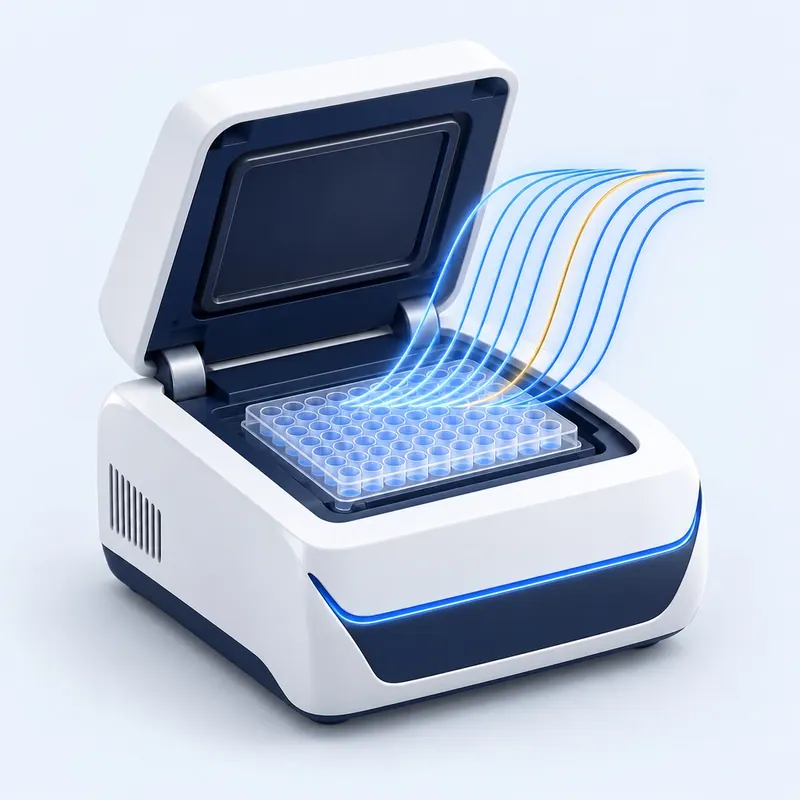
Gene measurement
cDNA synthesis and qRT-PCR of the patent-pending 11-gene TEP panel.

AI prediction
A batch-agnostic, proprietary ensemble learner with data augmentation returns the result.
Designed for the labs that already exist.
~2.5-hour turnaround
From sample to AI result in a basic molecular biology lab. Most multi-cancer tests take 7–14 days.
Open and closed qPCR
Works with open-source platforms such as Bio-Rad and closed platforms such as Thermo Fisher QuantStudio. No sequencer is needed.
Defensible technology
Proprietary platelet chemistry, a patent-pending 11-gene TEP panel and a proprietary, batch-agnostic AI ensemble.
Inside each step
1. Blood collection
A phlebotomist collects 6 ml of blood into three standard EDTA tubes, the same tubes used for a routine blood count. Many sequencing-based liquid biopsies need around 15 ml.
2. Platelet separation
Platelets are fractionated from whole blood using Care Onco’s proprietary chemistry, which keeps the workflow simple enough for a standard lab bench.
3. RNA extraction
Platelets contain little RNA, so extraction efficiency matters. Care Onco’s proprietary chemistry recovers enough platelet RNA from just 6 ml of blood for reliable measurement.
4. Gene measurement by qRT-PCR
The RNA is converted to cDNA and the 11 genes of the TEP panel are measured by quantitative real-time PCR. qRT-PCR is fast, inexpensive and familiar to every lab that ran COVID-19 tests.
5. AI prediction
Labs upload the gene measurements to Care Onco’s AI cloud. A proprietary ensemble learner, built with data augmentation so it stays accurate across batches, labs and machines, returns a same-day report. The reporting fee is included in the kit price.
Want the biology behind the panel? Read the science and evidence, or see which cancer types TEPScan covers.
TEPScan at a glance.
Key figures from Care Onco’s validation and the peer-reviewed 11-gene study.
- Samples validated, India and Norway1
- 400
- Average accuracy (AUC)1
- ~91%
- Of validated samples at Stage I or II1
- 47%
- Genes in the platelet panel2
- 11
- Earliest stage detected1
- Stage I
- Cancer types in the programme3
- 10+
- Care Onco validation across 400 samples from India and Norway; accuracy is the average area under the curve (AUC).
- Goswami et al., BMC Genomics 21:744 (2020).
- Care Onco targets; may change as validation and regulatory work progress.
No test today is early, accurate and affordable.
Every screening method in use forces a trade-off: cost, invasiveness, accuracy or timing. TEPScan is designed to remove it.
Imaging
PET-CT, X-ray, mammography
Expensive and infrastructure-heavy.
Tissue biopsy
Biopsy, endoscopy
Invasive and unsuitable for screening.
Protein markers
CA, CEA, PSA
Affordable, but inaccurate.
DNA sequencing
NGS panels
Expensive; covers hereditary cancers only (5–10%).
ctDNA and CTCs
Liquid biopsy
Costly; CTCs appear only late in disease.
| Criterion | Galleri | CancerSEEK | Lunar 2 | TEPScan |
|---|---|---|---|---|
| Detect early | Yes | Yes | Yes | Yes |
| Accurate | Yes | Yes | Yes | Yes |
| Affordable | No | No | No | Yes |
| Accessible | No | Yes | No | Yes |
| Multi-cancer | Yes | No | Yes | Yes |
| Relapse detection | Unclear | Unclear | Unclear | Yes |
| On the market | Yes | No | No | CDSCO work started |
Swipe the table sideways to compare all tests.
Comparison based on publicly available information about each test, compiled by Care Onco Biotech in 2026.
Bring TEPScan to your lab.
If your lab runs RT-PCR, it can run TEPScan. Let’s talk.